
Executive Summary
Opioid Settlement Funds are intended to abate the opioid crisis by supporting evidence-based strategies and addressing longstanding gaps in prevention, treatment, Harm Reduction, and recovery infrastructure. Community Based Organizations, often led by directly impacted individuals, have long filled critical gaps left by traditional systems, developing innovative programs and demonstrated capacity to engage populations most affected by the opioid epidemic. Despite their efficacy and demonstrated success, these organizations have not been prioritized for settlement funds. Without meaningful investment in the expansion and sustainability of these community-developed approaches, it is unlikely that Opioid Settlement Funds will effectively reduce overdose mortality or transform the State’s response to the crisis. With just 15% of New York’s total anticipated funds already spent, there is time to adjust the spending approach to maximize positive outcomes.
Key Findings
Opioid Settlement Funds Are Structurally Concentrated in Large Institutions, Not Community-Based Solutions
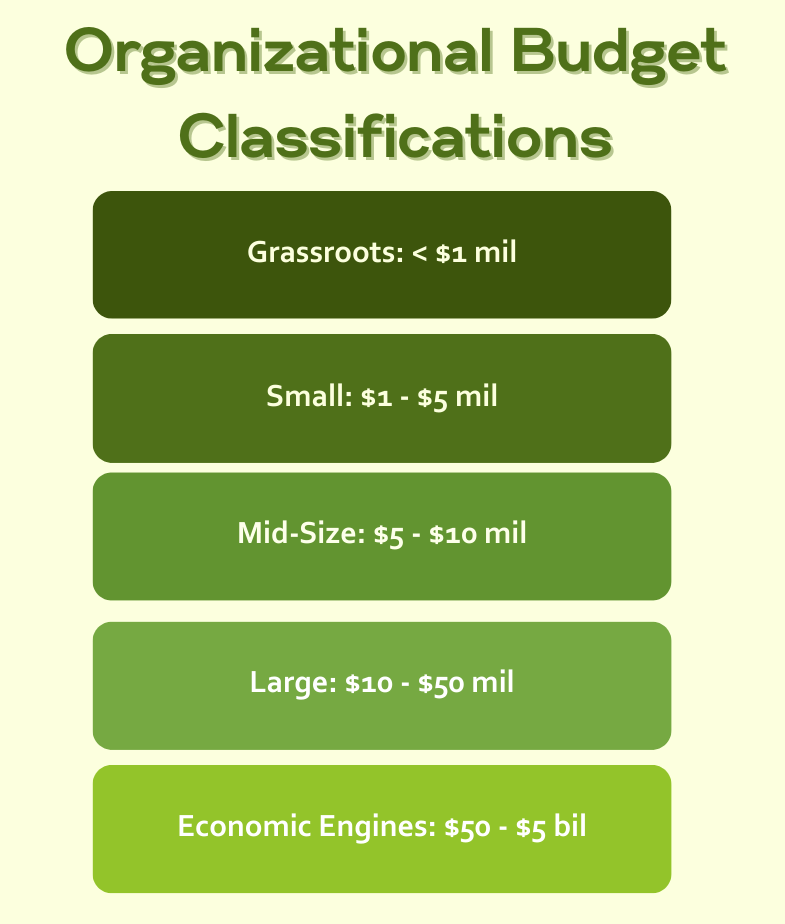
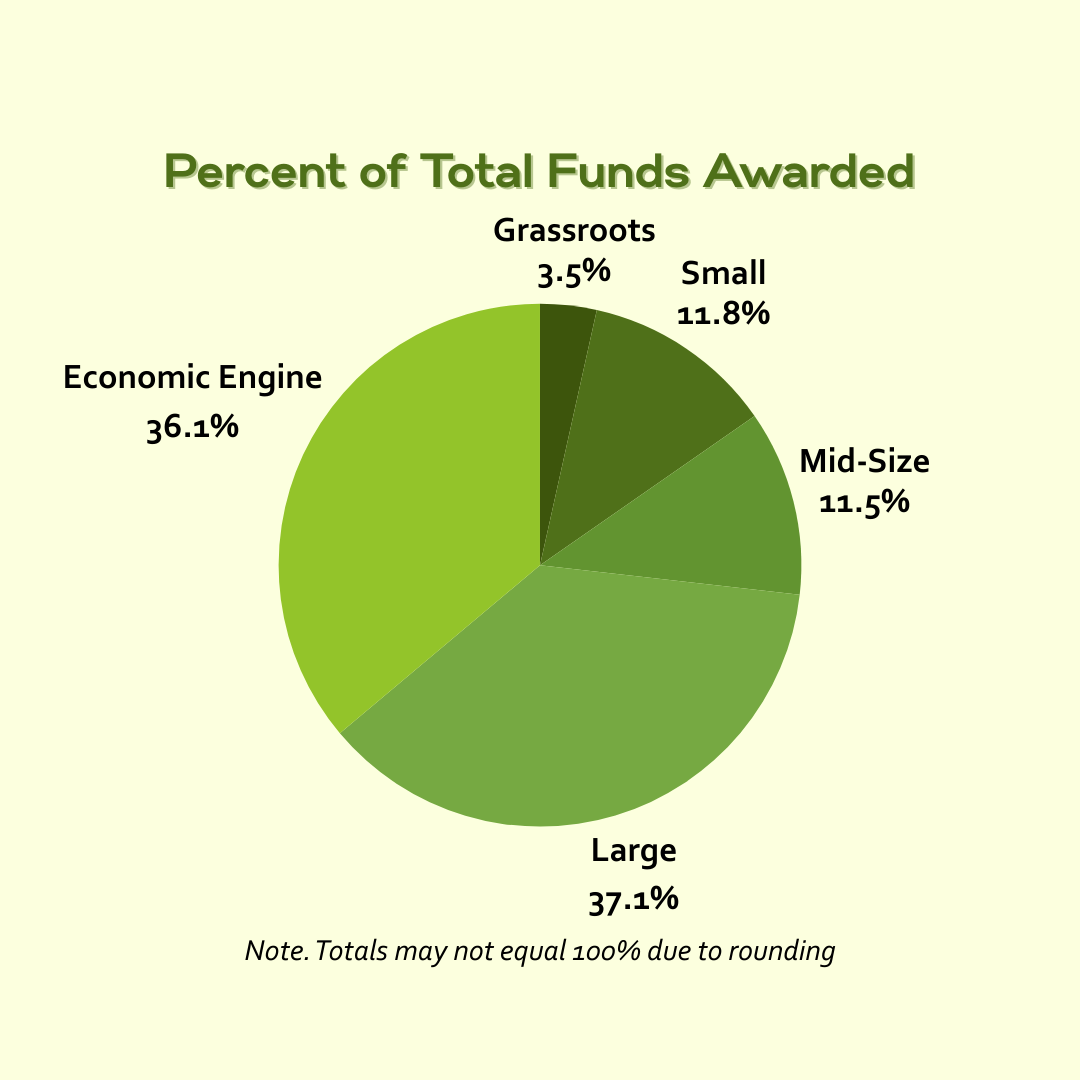
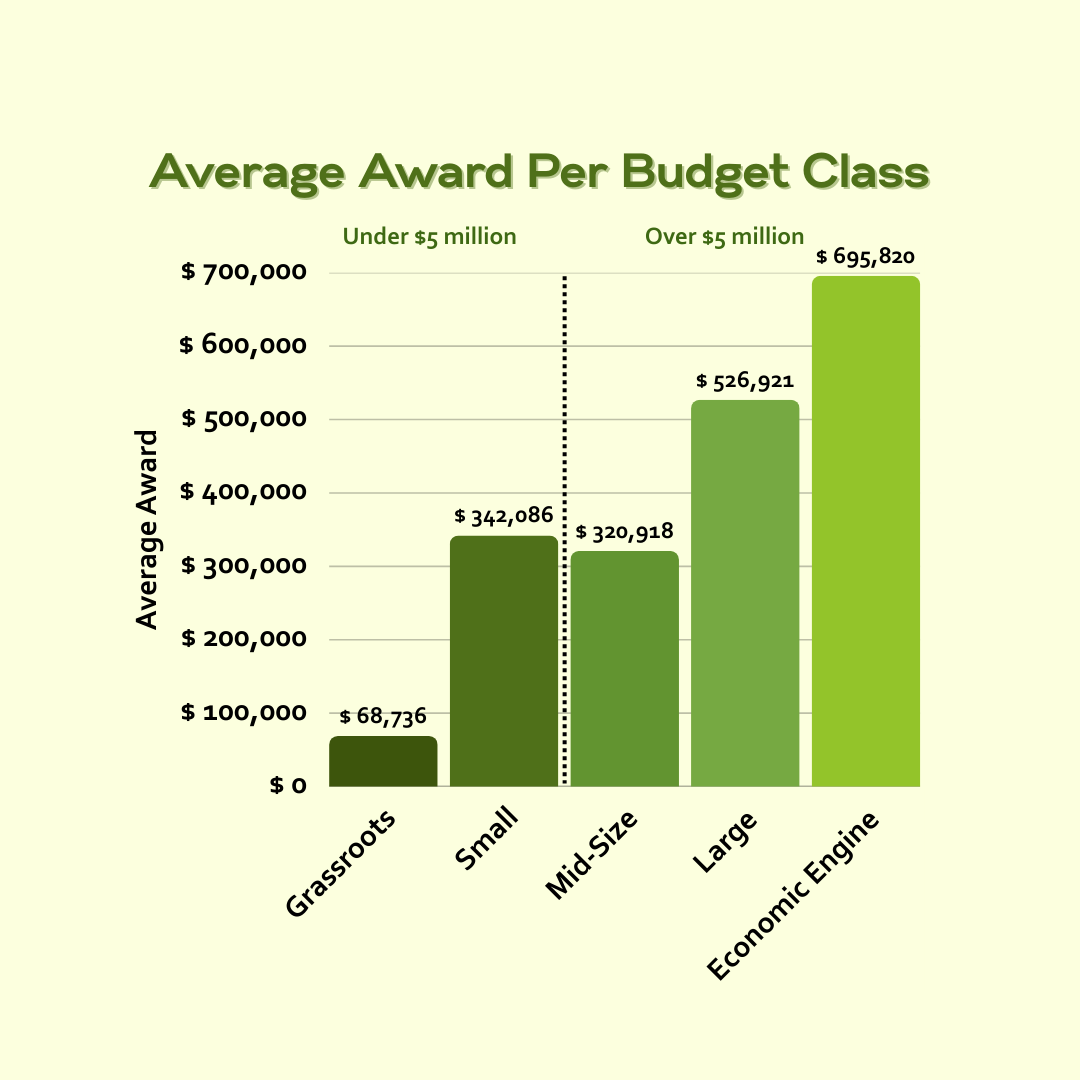
New York’s OSF are overwhelmingly directed to large nonprofit corporations and institutional providers, despite evidence that CBOs are more effective at reaching people most impacted by overdose. In FY 2023, organizations with annual budgets over $5 million received 84.7% of discretionary state settlement funds in FY 2023, while organizations under $5 million, including grassroots and CBOs, received just 15.3%. Grassroots organizations alone received only 3.5% of the funding, despite accounting for more than 20% of the number of awards.
Settlement Funds Are Reinforcing the Status Quo Rather Than Expanding Capacity, Improving Outcomes or Supporting Families Impacted
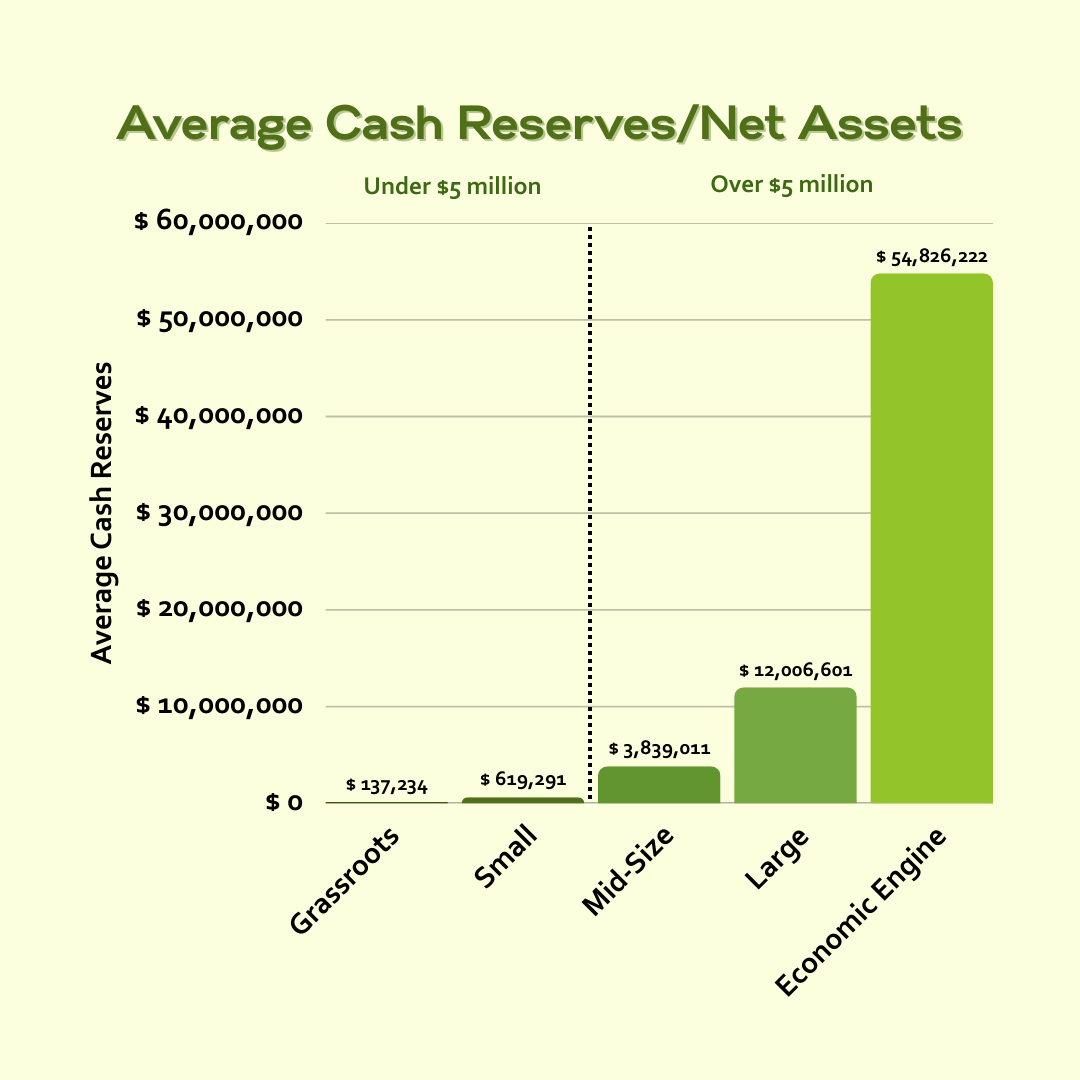
Rather than driving innovation or system transformation, opioid settlement dollars have largely flowed into already-licensed, already-funded systems of care. Large Nonprofit Corporations receiving OSF awards collectively hold $3.3 billion in cash reserves while CBOs struggle to survive. Families impacted by the epidemic have been left unsupported by these larger systems of care as well as OSF supported programs.
Community Based Organizations Are Systematically Excluded by Funding Design
CBO exclusion is not incidental, it is structural. In FY 2023, CBOs were eligible to apply for only 2 of 16 state-issued settlement RFAs, one of which capped awards at $9,500, a fraction of the average OSF award size. This exclusion persists into FY 2024 and FY 2025, where no RFAs were issued that unlicensed CBOs could apply for, despite repeated calls from the OSFAB and the public to correct this imbalance. The largest single awards of OSF were allocated without an RFA and multiple initiatives in the OASAS Opioid Settlement Fund Tracker indicate multiple awards to OASAS state licensed programs without RFAs or a public procurement process.
Oversight, Transparency, and Accountability Mechanisms Are Fundamentally Broken
Although recipients are legally required to report how funds are spent and evaluate program outcomes, no outcome data from OSF-funded programs has been provided to the OSFAB or the public. OASAS is the State’s distributing agency, but operates as a licensing and regulatory body, limiting its ability to support innovative or community-led solutions. Funding totals, award amounts, and even recipient lists have changed retroactively on the State’s OASAS Opioid Settlement Fund Tracker without explanation, and a large portion of funds were distributed without publicly-documented scopes of work. OSFAB recommendations are routinely disregarded, and the Board lacks authority, data access, or enforcement power.
Recommendations
Redesign Funding Structures to Prioritize Community Based Organizations
- Opioid Settlement Fund distribution must be structurally redesigned to prioritize Community Based Organizations, rather than relying on currently licensed programs or processes that favor large institutions.
Rehome Opioid Settlement Fund Administration in a Public Health Agency Built to Partner with Communities
- Move administration of the Discretionary State Abatement of the Opioid Settlement Fund from OASAS to the New York State Department of Health’s AIDS Institute.
Grant the Opioid Settlement Fund Advisory Board Formal Directional Authority
- The Opioid Settlement Fund Advisory Board must be empowered with formal directional authority over funding priorities and allocation frameworks and final approval of state agency plans for disbursement, supported by enforceable access to spending and outcome data.
Establish Enforceable Oversight, Transparency, and Audit Requirements
- Oversight of the Opioid Settlement Fund should be strengthened through clear transparency and enforcement roles for the Attorney General and the State Comptroller. Transparency and auditability are prerequisites for public trust and effective use of a finite public resource.